A carry-on that closes only when you sit on it is already asking for trouble on the return journey. Clothes rarely fold as neatly after several days away, and even a small purchase needs a home. The useful goal is a bag that you can manage easily throughout the trip, with enough room to repack without turning the hotel floor into a puzzle.
Check the actual bag allowance
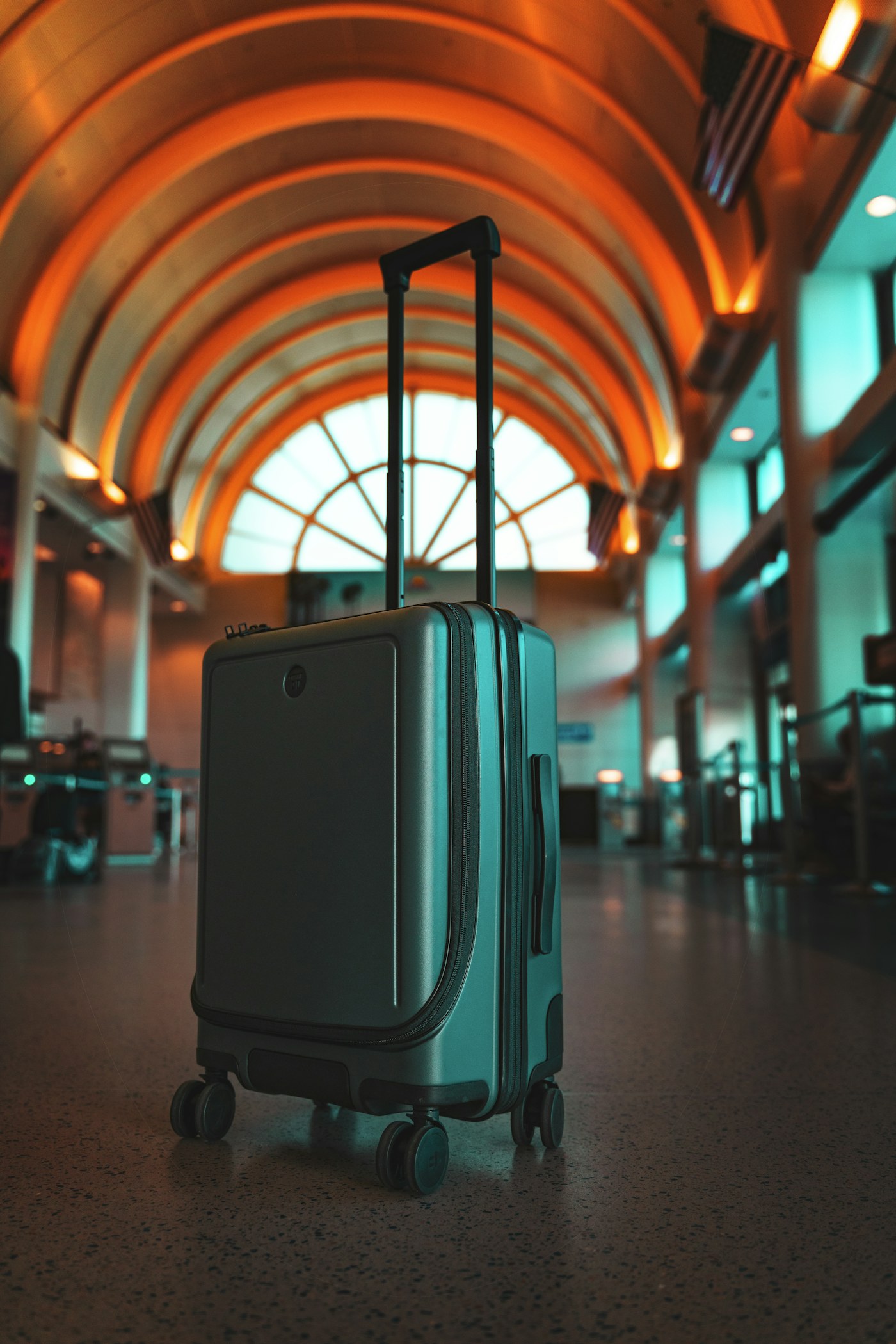
Start with your airline's current rules for the fare and route you booked. Cabin-bag size, weight, and personal-item allowances can vary. Include wheels, handles, and external pockets when comparing your suitcase with the stated dimensions. A retailer's “cabin approved” description does not establish acceptance on every airline or guarantee space in the overhead compartment.
If you are connecting between carriers, compare all relevant allowances. Decide what you will do if the bag needs checking, and keep cabin-only items accessible. Choose a suitcase you can lift and move comfortably when packed, rather than treating maximum permitted volume as a target you must fill.
Pack combinations rather than days
Lay out complete outfits for the actual activities on your itinerary. Then look for repetition: one trouser might work for sightseeing and dinner, while a button-down shirt can be worn alone or over a simple top. Remove pieces that need several extra items to become useful. A garment with a single purpose may still belong if that purpose is important.
Use a short written list for underwear, sleepwear, and personal essentials so they are not squeezed in as an afterthought. Plan around realistic laundry access. Hand-washing an item is less helpful if it will not dry before departure, and a hotel's laundry service may have a turnaround time that does not suit a short stay.
Choose organizers for visibility
Packing cubes can separate outfits or garment types, but they also occupy space and add weight. Start with one or two if your bag needs structure. Compression can reduce the volume of some clothing, yet it does not reduce its weight or your need to handle the full suitcase. Compare the packed bag, not the satisfaction of a tightly zipped cube.
Keep shoes contained and position heavier items so the bag remains manageable. Protect delicate fabrics from hardware and rough soles. Folding and rolling each have uses; choose based on the garment and available space rather than expecting one technique to prevent every crease. Follow clothing care labels before using travel sprays or improvised treatments.
Make screening and arrival easier
Put items you may need to remove near an accessible opening. For US checkpoints, consult the TSA liquids rule: standard carry-on liquids must be in containers no larger than 3.4 ounces or 100 milliliters, within one quart-size bag. Check separate procedures for exceptions and the requirements at other airports on your route.
Keep documents and essential personal items in the bag that stays with you. Review current rules for batteries and other restricted articles through the airline and relevant aviation authority. Do not bury the essentials under clothing because you hope the carry-on will never be gate-checked. A small, identifiable pouch makes a change of plan easier to manage.
Buy the bag for your trip pattern
For comparison shopping, the official Samsonite site provides product dimensions and features to investigate. Look for usable internal shape, comfortable handles, closure design, and repair information where offered. A hard shell can feel tidy and structured; a soft bag may offer useful pockets. Neither construction is universally better, and extra compartments can reduce the main packing area.
Before buying accessories, try packing your existing suitcase with the intended wardrobe. You may discover that removing an unnecessary shoe is more effective than purchasing a new organizer. Leave a visible reserve of space and keep a light laundry bag for worn clothes, so the return pack has a straightforward structure.
FAQ
How much spare space is enough? There is no fixed percentage. Leave enough that the bag closes without force after you loosen the packing and add your expected purchases.
Should I pack a second foldable bag? Only if your airline allowance and return plans support it. Another bag does not create a free baggage allowance.