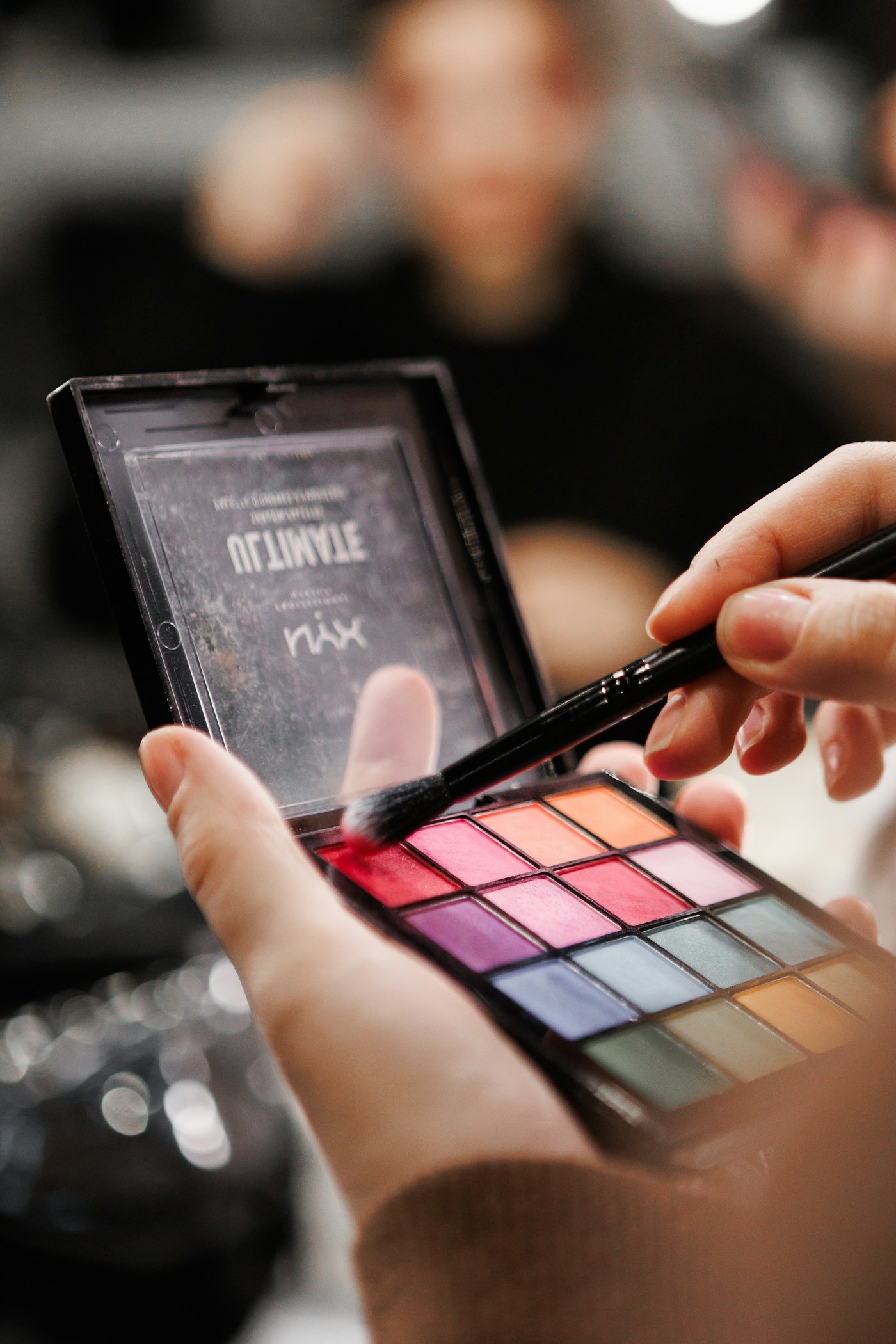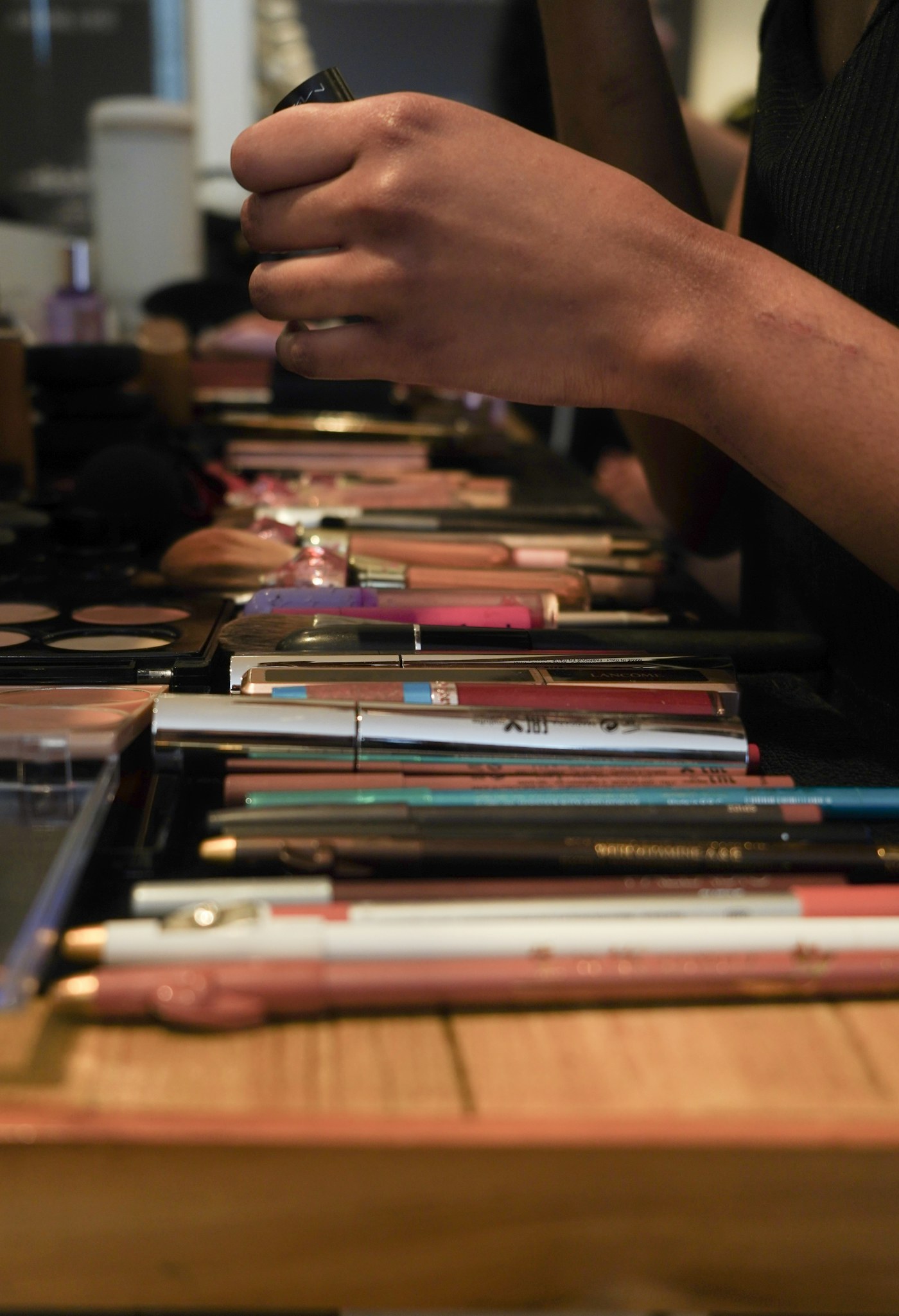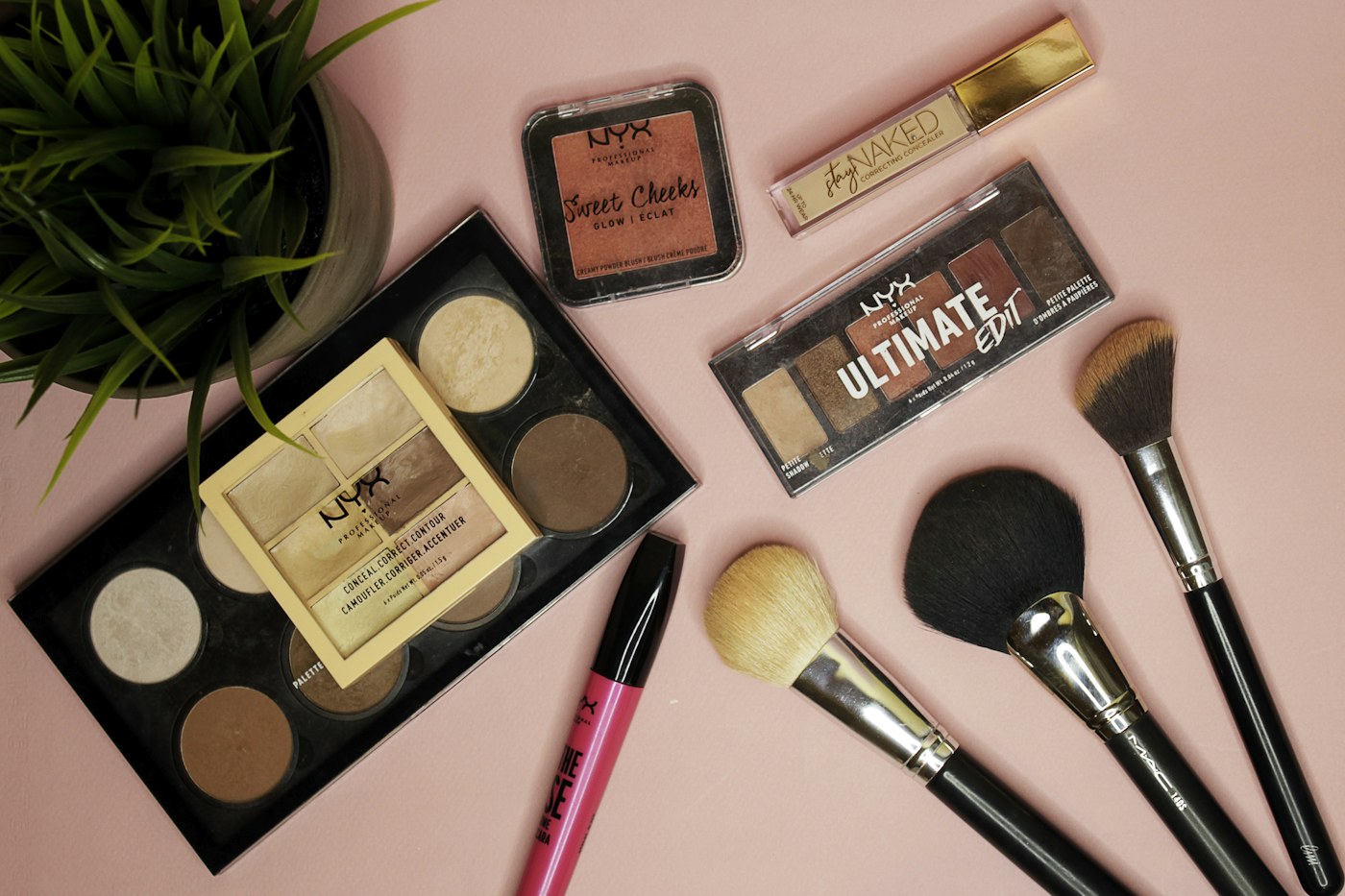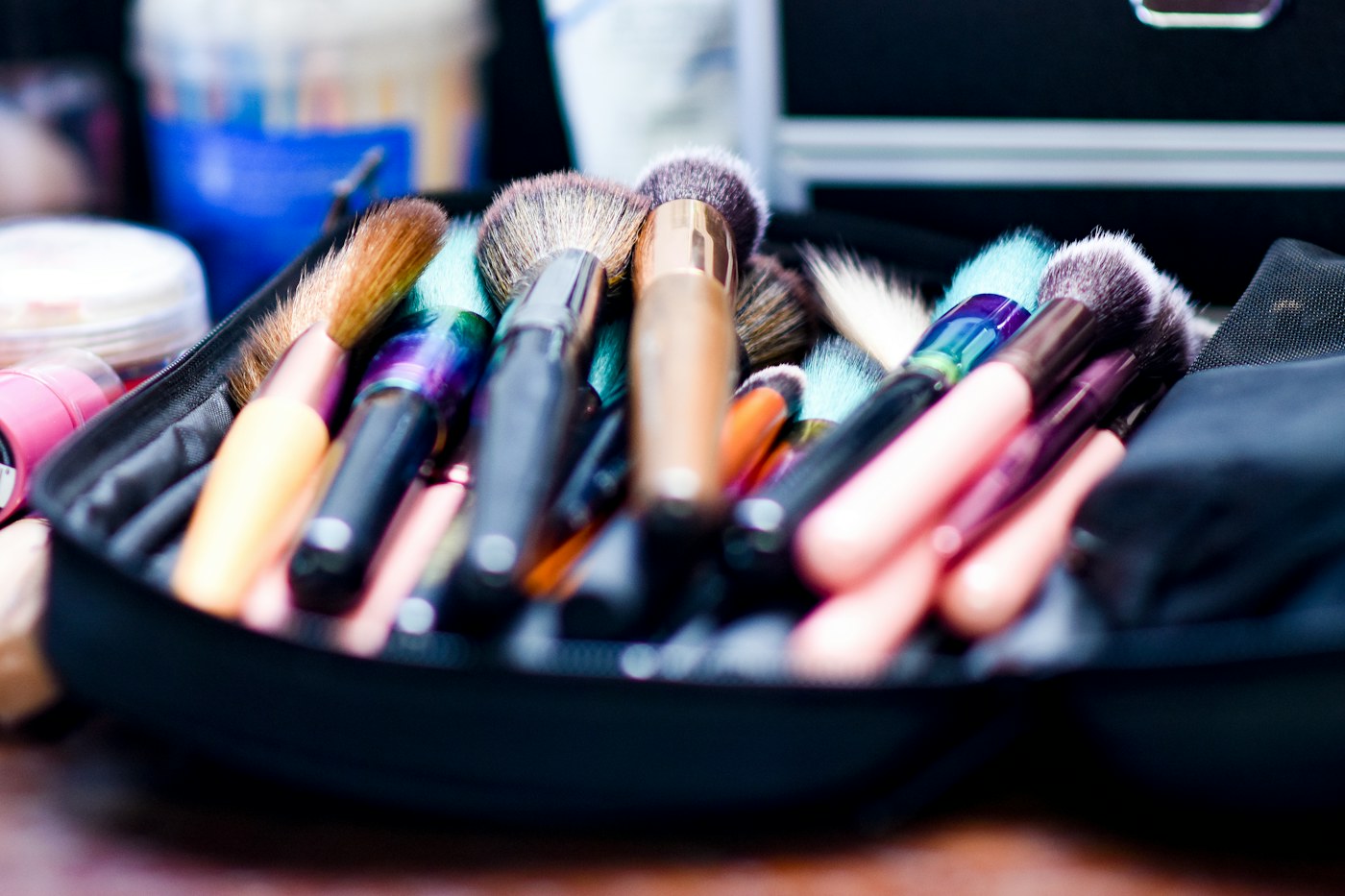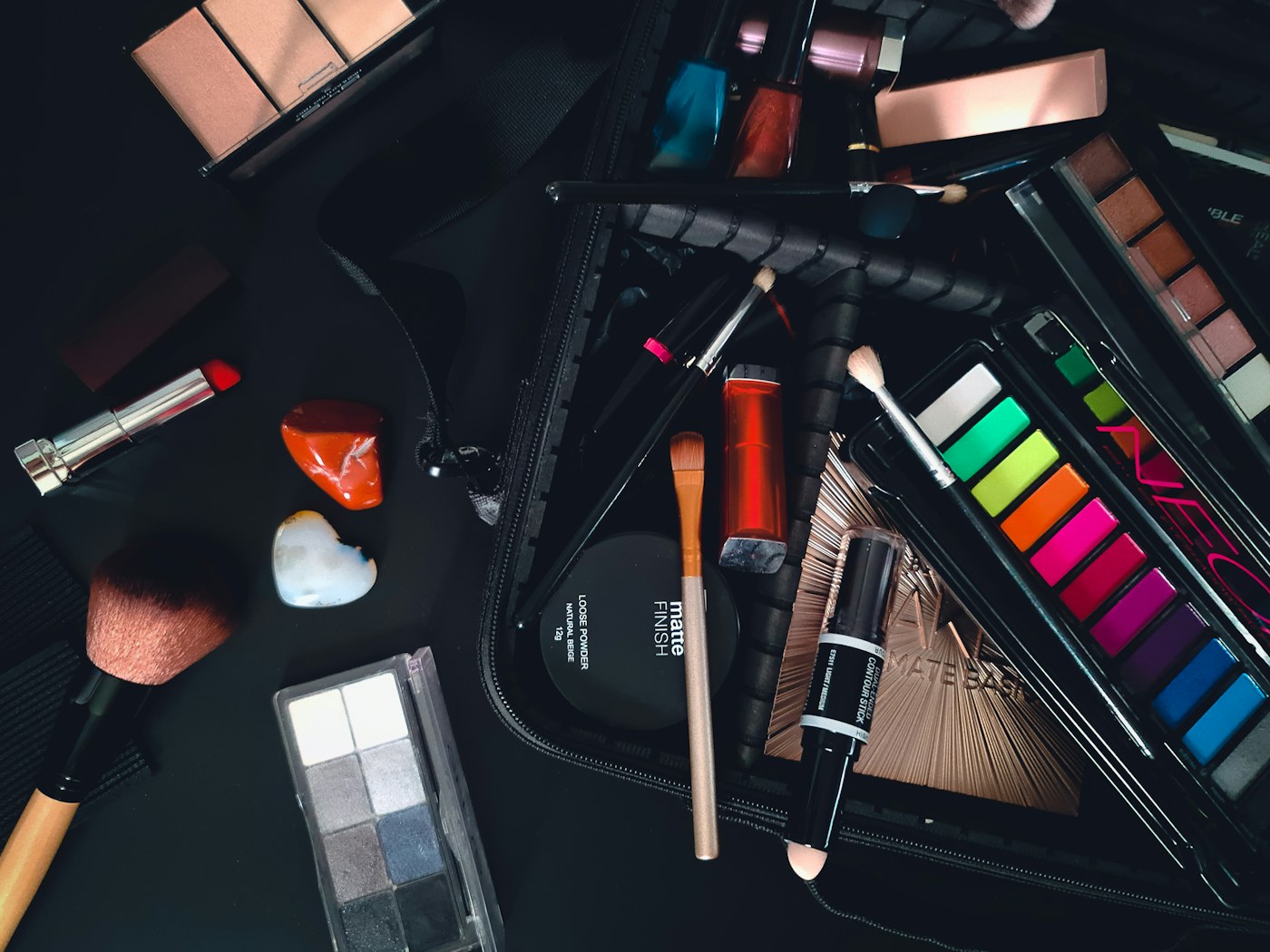
A beauty kit for three nights should support three nights of getting ready. Yet packing often follows a different logic: every possible dinner, weather change, and imagined photograph earns another bottle. The result is a pouch that is heavy before clothes enter the suitcase. Begin with the actual itinerary and the routine you are willing to do in an unfamiliar bathroom, then choose containers around that plan.
Write a morning and evening list
Describe the steps you normally take, using plain names rather than product categories you feel you should own. List cleansing, the skincare you actually use, sunscreen for daytime, and the makeup steps you enjoy. Add haircare only after checking what your accommodation provides. A hotel listing may mention toiletries without specifying a formula you can comfortably use, so bring familiar essentials when that matters to you.
For an event trip, add the one or two products that create your occasion look. A different lip color and an eye pencil may be enough. Packing a second complete routine for one dinner creates more decisions in a small space. Keep contact-lens supplies, medication, and other essential personal items on their own checklist instead of letting them disappear among cosmetics.
Check the rules for your route
For US airport checkpoints, TSA's standard liquids rule limits carry-on liquids, gels, creams, pastes, and aerosols to containers of 3.4 ounces or 100 milliliters or less, fitting in one quart-size bag. The container's capacity matters; a larger bottle with little left in it is not the same as a compliant small container. Exceptions have separate procedures. Consult the official TSA liquids guidance before departure.
Other airports and airlines may apply different requirements. Check your departure, connection, and return route rather than relying on a previous trip. A retailer's “travel size” label describes marketing or packaging and does not guarantee acceptance everywhere. Put the items that need screening where you can reach them without emptying the suitcase.
Choose containers carefully
Original minis preserve ingredient information and directions, while refillable containers can reduce duplication when you already own a suitable product. Read the container's compatibility and cleaning instructions. Not every formula belongs in a generic jar, and decanting can remove useful expiry, batch, and application information. Keep sunscreen in its labeled packaging so you retain the directions and can identify the product clearly.
A wide-mouth pot is easy to fill but may be awkward in a shared bathroom. A pump can be tidy but bulky. A squeeze tube may pack neatly yet dispense more than expected. Before a trip, check closures at home and place containers in a washable pouch. Avoid making the first test of a new closure the inside of your favorite linen shirt.
Spend on a missing function
A compact case is worth considering when your current one hides products or wastes suitcase space. Look for visibility, a wipeable lining, reliable zips, and a footprint that fits your bag. Hanging designs can help in a bathroom without counter space, but the extra hooks and panels may add bulk. Compare the case while filled, because an empty product photograph rarely reveals its practical shape.
Browse the official Sephora travel-size department for formats and quantities, then check each item's information. Prioritize a familiar essential over a novelty set with several products you will not use. Travel is rarely the easiest setting for introducing an elaborate new skincare routine or troubleshooting an unfamiliar foundation shade.
After returning, note which items remained untouched. That small record helps the next packing list reflect your actual habits and trip length.
FAQ
Should I pack full-size brushes? If one favorite brush performs a necessary job and fits comfortably, it may be better than a mini set you dislike. Protect it and leave time for it to dry after cleaning.
What belongs in the handbag? Only the touch-ups you realistically make: perhaps a lip product and a small mirror. Keep the main routine in one designated pouch so packing and unpacking stay manageable.