A dinner invitation can make a perfectly useful wardrobe feel strangely inadequate. The table might be somewhere new, the plans might start straight after work, and the phrase dressy casual offers little help. Before searching for a special outfit, identify what the evening actually involves: the venue, the journey, the company and how long you will be seated.
These formulas use familiar separates. Begin with what you own, and buy only when you can name a gap that will matter after this reservation. There is no need for a different outfit at every restaurant.
Dinner straight after work
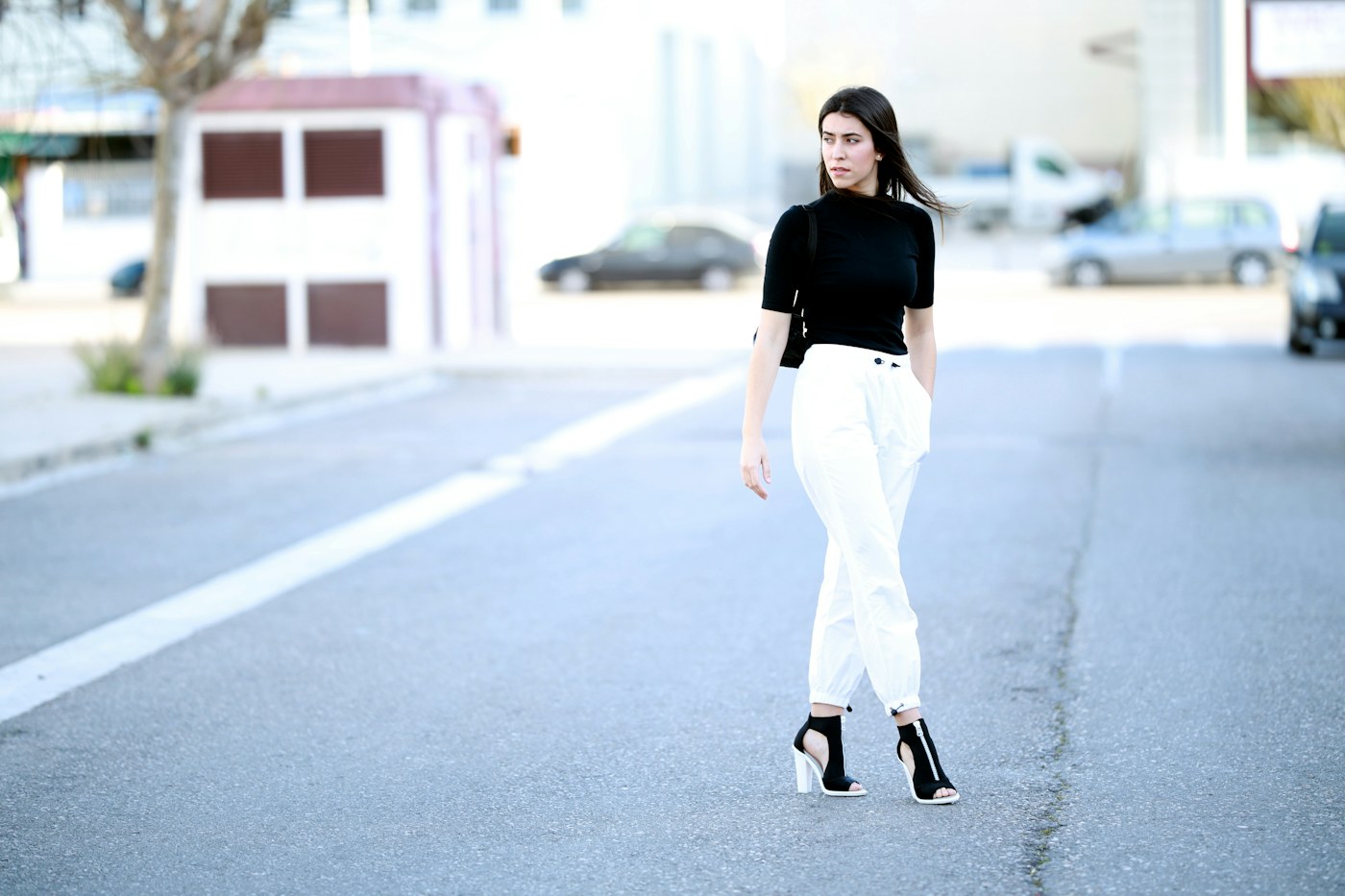
Start with tailored trousers and a top that feels finished when your jacket comes off. A clean knit, softly draped blouse or well-fitting shirt can all work. Change one accessory before leaving the office: a smaller bag, a more visible earring or a different shoe. You do not need all three.
Check the seated fit before the day begins. A waistband that feels fine while standing may be distracting through a long meal, and a low neckline can shift when you reach across a table. Sit, lift your arms and put your outer layer on. Ordinary movements tell you more than a front-facing mirror photograph.
A relaxed neighborhood table
Dark jeans with a shirt and a compact jacket create an easy starting point. Choose denim without a dragging hem, especially if the plan includes a walk. A flat shoe can feel deliberate when its shape works with the jean opening; a pointed or almond toe is one option, not a requirement.
If the outfit feels unfinished, adjust proportion before adding jewelry. Roll the sleeve once, change the tuck or try a belt you already own. These small interventions reveal whether the outfit needs another purchase at all. The goal is a coherent silhouette, not a collection of evening accessories.
A celebration
A skirt and a simple top can provide the occasion feeling of a dress with more opportunities for later wear. If one piece has shine or strong texture, let the other be quiet. A satin-look skirt with a fine knit is one possibility; wide trousers with a more sculptural top are another.
Balance extra volume with an intentional waist or shoulder line. This is a preference rather than a body rule. If you like a roomy outfit from top to bottom, keep fabric weights and lengths distinct enough that the pieces read separately. Try the combination under your actual coat.
Compare the purchase
| Addition | Useful when | Check |
|---|---|---|
| Evening top | Existing trousers fit well | Seated coverage |
| Compact jacket | You need a finishing layer | Room over sleeves |
| Small bag | A work tote feels cumbersome | Phone and journey essentials |
When browsing official blazer listings, compare measurements and care information rather than judging quality from styling alone. Specialist cleaning may be acceptable, but that ongoing cost belongs in the decision. This is purchase guidance rather than a hands-on product ranking.
Include the journey
If the venue is a long walk from transit, choose the shoe before finalizing the trouser length. If you carry a second shoe, make sure the bag accommodates it without crushing your top. For a cold evening, a real coat is more useful than a light jacket that looks right only indoors.
Prepare the change before leaving for work. Put the smaller accessories together so you are not searching through your tote at the end of the day. Afterward, note which pieces worked and what adjustment would help next time. A repeatable combination is a useful wardrobe asset.
Set those accessories aside the night before, especially when the reservation follows a busy working day.
Frequently asked questions
Are jeans too casual?
Check the venue's dress code. Where denim is welcome, a considered top and tidy shoe can make it suitable for many informal dinners.
Do evening shoes need a heel?
No. Choose a shape that works with the outfit and route, and a pair you can comfortably keep on.
Related: our blazer fit checklist.