Rain changes a normal day in small, inconvenient ways. The walk from the station feels longer, your bag needs a free hand, and a beautiful wide trouser hem suddenly spends the morning against wet pavement. Dressing for that day begins with the route and forecast, then works inward to the clothes you want to wear.
There is no need to build a separate weather wardrobe for every shower. A sensible coat, an appropriate shoe and a manageable hem can make familiar pieces more useful. This is a styling and shopping guide; weather protection must come from the specific garment's published information, not its appearance.
Match the coat to the actual exposure
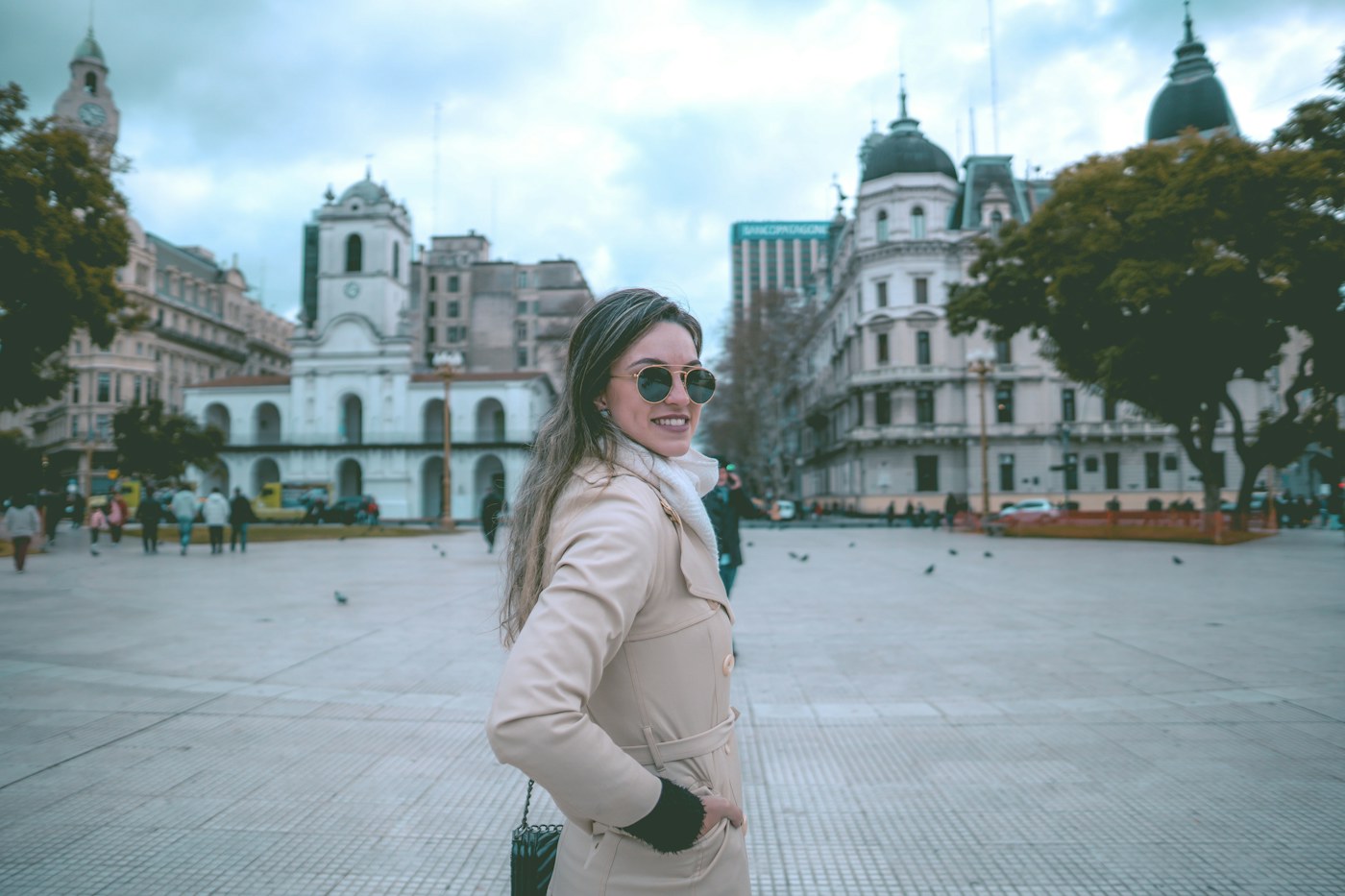
A short walk between buildings is different from waiting at an uncovered bus stop. Consider how long you will be outside, whether you can carry an umbrella, and whether you need a hood. A long trench gives an outfit a clean line, but a trench silhouette alone does not establish waterproof performance.
Read the product description carefully. Water-resistant and waterproof are not terms to treat as interchangeable. If a seller describes a garment as suitable for light showers, do not buy it expecting dependable protection through a prolonged downpour. Look for the manufacturer's account of intended use, construction and care rather than relying on a lifestyle photograph.
Give the hem some breathing room
Straight trousers that clear the ground are easier to manage than a puddle-length pair. A midi skirt can work if the hem stays clear of splashes and the fabric does not feel awkward when damp. Check this at home with the shoes and coat together: a long coat over a long skirt can look elegant but may be cumbersome on crowded stairs.
Dark colors may make splashes less conspicuous, but they do not change how a fabric handles water. Choose a garment you can clean according to its label. Save a delicate dry-clean-only trouser for a day when its care demands are less likely to become part of your evening.
Think through the shoe decision
A closed boot can be useful, but not every leather boot is designed for wet conditions. Check the maker's guidance and inspect the sole, fastening and shaft height. A shoe with a low opening can admit water even when its upper is described as protective. If your route includes slick surfaces, look for specific traction information rather than assuming a chunky sole guarantees grip.
For a formal office, carrying a lighter indoor shoe may make more sense than asking one pair to do everything. The tradeoff is extra bag space and another item to remember. If you choose this approach, use a separate washable pouch for the commuting pair so wet soles do not meet your laptop sleeve.
Build a complete outfit
Try a rain layer over a fine knit, ankle-length trousers and weather-appropriate boots. Keep the knit neckline simple so a hood or scarf can sit without tangling. A second option is a shorter jacket, straight jeans and a compact crossbody bag for a casual day. Both formulas leave your hands available for an umbrella.
Before purchasing a bag, check how its opening behaves under your coat. An uncovered tote may be easy to reach into, but it gives rain a direct route to the contents. A zip is convenient; it is not proof that the whole bag is waterproof. The same distinction applies to coated-looking fabrics.
Care before replacement
Follow the item label and the brand's instructions. Patagonia's product care guidance is a useful example of why care should be specific to the material and garment. Do not apply one cleaning or treatment method to every coat in the cupboard. Check whether cleaning, repair or an approved treatment is appropriate before replacing an otherwise useful piece.
Frequently asked questions
Can a trench be my only raincoat?
It can be if its published protection and fit suit your climate and route. Buy for those conditions, rather than the name of the style.
What is the easiest item to change first?
Start with the source of the problem: a dragging hem, an exposed bag opening or unsuitable footwear. One targeted change is often enough.
For more everyday planning, see commuting layers.